


In Freeman's 2026 Learning Trends Report, 83% of event organisers say their education sessions make attendees want to return. Only 42% of attendees agree.
That is a 41-point gap. Across the industry, only around 27% of attendees actually return to the same event the following year, which suggests the smaller number is closer to reality. Most event organisers are running sessions they think are driving retention. Their attendees are quietly disagreeing and not coming back.
We work with a lot of corporate event teams across the UK and globally at Hire Space, and this is one of the most consistent patterns we see. The session design conversation tends to happen between the organiser and the speaker. The attendee, the person who decides whether to come back next year, rarely makes it into the brief. Event ROI in 2026 is being lost in that gap, and it is not a measurement problem. It is a design problem.
What attendees say they want, and how rarely they get it
The major industry research from this year, Hilton's 2026 Why We Gather report (an Ipsos poll of 3,150 adults across the UK, US and India), points in a clear direction. 49% say their main reason for attending a work event is meeting new people and bonding with their team. 84% want to bring their full, authentic selves. 67% only attend events that support their career goals.
That last number is worth sitting with. Two thirds of the people in your conference room are doing a quiet cost-benefit calculation on whether your event is worth the day out of their week. If the agenda does not pay back on their career, they will be on their phone, or they will skip the afternoon entirely.
Christine Renaud, co-founder of Braindate, put it directly at Event Tech Live London 2025:
"Folks don't come to event for the content anymore. They can sit and have the content. The content is there to attract people. People will see, okay, the speakers are great, but then they really come to see each other and talk to each other. That's probably in your survey. That's what you hear. We want more networking."
Across the corporate events we help to deliver, the same comment appears in nearly every post-event survey. More networking. Better networking. Networking that does not feel like name-badge bingo. Most teams interpret that as "another drinks reception." Attendees mean something different. They want structured opportunities to have conversations that move their work forward. A drinks hour with 600 strangers does not deliver that. A facilitated round table on a topic they have flagged in advance does.
The speaker problem nobody owns
Walk through the average corporate conference agenda and three patterns surface consistently. Sessions open without a stated objective. Speakers reach for the abstract when an example would land harder. Sessions close without a single "do this on Monday" takeaway.
These are not exotic asks. They are the basics. And the standard speaker brief, the one most internal events teams send out, does not cover any of them. The result is a room full of attendees who paid (or whose company paid) to be inspired, walking out with notes they will never reread.
The fix is operational, not creative. The Freeman research recommends building the basics directly into the speaker briefing template. Mandate one written objective at the start. Require at least one specific case study per session, named company, named result, named year. Close every session with three written takeaways the audience can act on. None of those cost anything. All of them shift attendee-rated session quality, which is the leading indicator of whether they come back.
Hire Space Top Tip:
Rewrite your speaker briefing template this week. Three required fields, three optional. Required: one written objective, one specific case study with named company and year, three "do this on Monday" takeaways. Optional: a poll question for the room, a discussion prompt for break-out groups, a recommended further-reading link. Send it to every confirmed speaker with deadlines two weeks before the event.
The other quiet pattern worth naming is the celebrity-keynote habit. Industry research and practitioner sentiment both point the same way: attendees consistently prefer industry experts over recognisable names. Event teams continue to book celebrities because the marketing optics look good. The trade is worse than it appears. Industry expertise drives retention. Stage wattage does not.
The participation lever
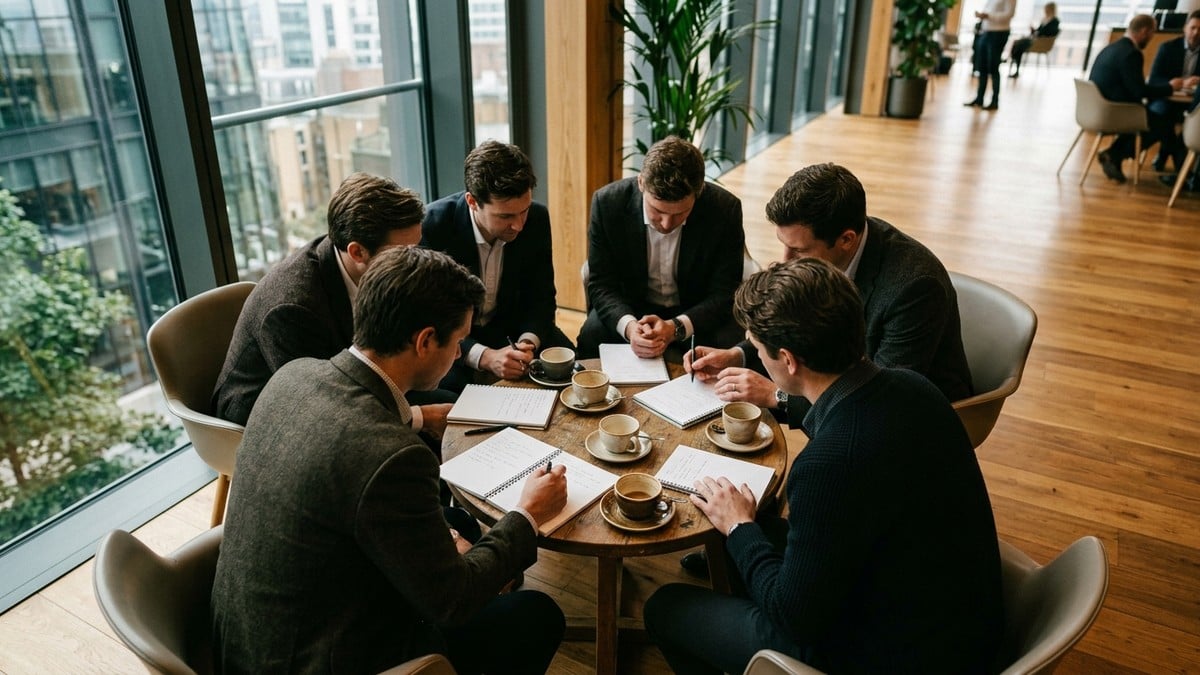
If networking with intent is what attendees actually return for, then the format question becomes the design question. Lecture-style content is still useful as the attractor, the thing on the website that gets people in the room. What earns the return ticket is what happens in the gaps.
Christine Renaud shared a number at Event Tech Live worth putting on the wall of every event team's office. In Braindate's post-event surveys, 8 out of 10 attendees who took part in a structured peer-to-peer conversation said it was a reason they would come back to the event the following year. Not the keynote. Not the headline content. The conversation they had with another delegate over a topic they had both opted into.
Translate that into agenda terms and it is not complicated. For every two keynote sessions on the running order, you need one structured interaction format. Round tables on topics attendees have flagged at registration. Workshop slots where participants leave with a worked-through artefact, not a slide deck. Fishbowl panels that pull voices from the room into the panel. Open-space sessions where attendees set the agenda on the day. The format options have been around for years. What changes in 2026 is that attendees now expect to find them on the agenda, not as an afterthought.
The rest dividend
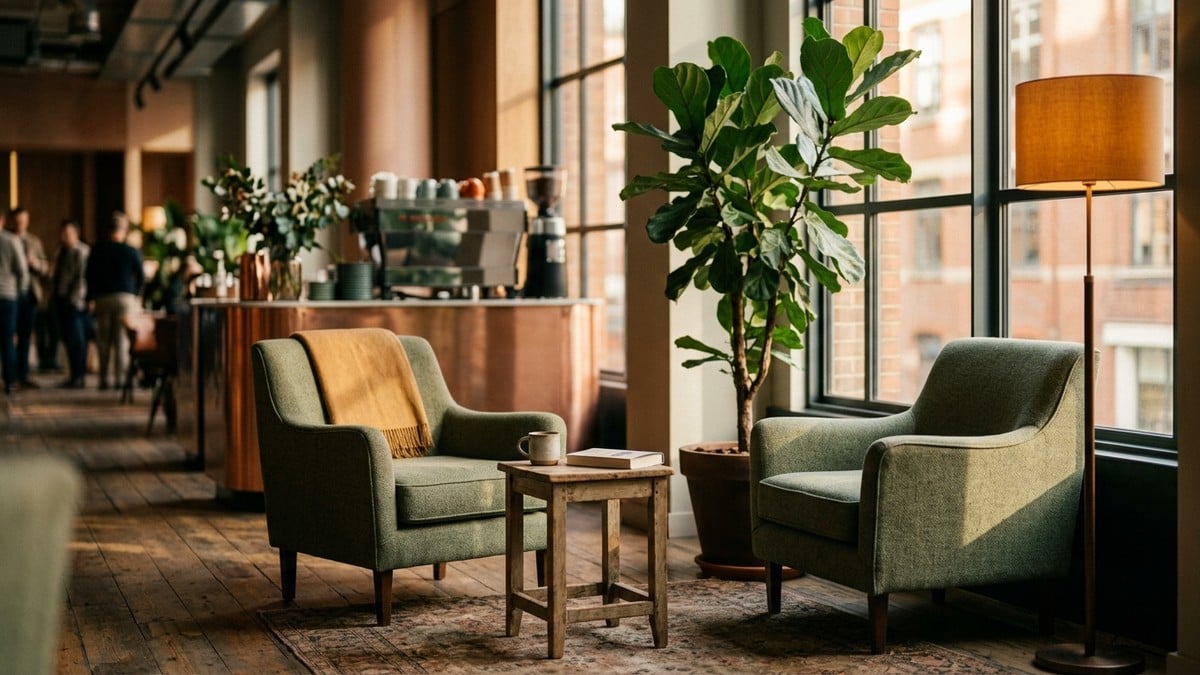
There is another stat in the Hilton research that most agendas ignore. 67% of attendees say they feel less engaged during events if they do not get downtime. 55% skip sessions entirely to decompress when there are no planned breaks. 76% lean into work-organised wellness activities when they are offered.
The default reaction to a 41-point retention gap is to add more content. The data suggests the opposite. Cram less in. Build proper breaks into the agenda. Give people somewhere to sit that is not the floor outside the toilets. Make at least one of those breaks long enough that they actually have time to think.
The wellness shift is also showing up at industry-body level. The Global Wellness Institute launched its Meetings and Events Initiative at GMID 2026 to establish baseline standards for measurable wellness impact at corporate events. Wellness is moving from optional add-on to expected infrastructure on the same timeline as sustainability did five years ago.
Personalisation as the new floor
Hilton's data shows 67% of attendees agree that AI helps personalise their event experience. That is a stark shift from even two years ago, when the same question would have produced more scepticism than agreement. Personalisation has moved from premium feature to baseline expectation, and it is being driven by what attendees experience everywhere else in their digital lives.
Anna Williams, founder of The Hook Studio, framed the operational version of this at Event Tech Live London 2025. Before specifying any technology, write down what the ideal delegate experience looks like end to end. Where they should be at each point of the day, who they should meet, what they should walk out knowing. Then build the technology stack backwards from that.
Her measurement framework is just as useful. Score the event against goals for three groups: organiser, sponsors and delegates. Assign a metric to each goal. Compare year on year. The score does not have to be perfect. It has to be honest, and it has to surface the gaps that need fixing for the next round.
Content that earns its keep beyond the room
Victoria Akinsowon, content marketing manager at Cvent, made a related point on the same stage. Events generate enormous quantities of high-quality content (footage, transcripts, expert quotes, audience questions) and most of it dies the day the event ends. A two-day conference can sustain a content programme for the rest of the year if it is captured, repurposed and distributed deliberately.
For corporate event teams, the operational ask is small. Film the sessions properly. Capture the Q and A. Pull verbatim quotes from speakers within 48 hours. Build a content pipeline that turns each session into a blog post, a vertical-format video, a LinkedIn thread and a campaign asset. That extends the ROI of the original investment by months, not days.
What good session design looks like in 2026
Pulling the industry research and the practitioner conversations together, the sessions that drive return reliably share six characteristics. None of them are expensive. Most of them are about discipline more than design.
- Stated objectives at the start. Two sentences, written down. What attendees will leave knowing or doing differently.
- At least one real-world case study. Specific company, specific result, specific year. Not "many organisations are seeing..."
- Implementable takeaways at the close. Three things attendees can do on Monday, written and shared.
- An industry-expert speaker, not a celebrity. Recognition lifts marketing reach for a week. Expertise lifts the return rate for the following year.
- A participatory element. Either inside the session or paired with a facilitated peer-to-peer slot adjacent to it. Format options: roundtable, Q and A panel, structured networking, fishbowl, workshop.
- Space and time to rest around it. Sessions need to be the dense bits, not the only bits. Build the gaps in.
What this means for the venue you choose
Most session design failures get blamed on speakers or content. A surprising number of them are venue choice failures. If your venue has only theatre-style rooms, you cannot run a roundtable. If there is no comfortable breakout space, attendees will skip your afternoon programme to find a coffee shop. If the AV is built for one-way broadcast, you cannot run a hybrid Q and A.
The venue brief in 2026 should include three things most briefs still skip. Flexible seating configurations (theatre, cabaret and roundtable in one room). Dedicated rest and breakout space, not corridor overflow. AV designed for two-way interaction, not just stage broadcast.
For corporate planners running annual conferences, away days or executive summits, that brief is what closes the gap between what organisers think they are delivering and what attendees actually experience. Sessions that pay back against attendees' actual goals. Spaces that let them connect with each other between sessions. Breaks long enough that they come back ready to engage.
That is the version of event ROI that shows up in retention numbers six months later. And those are the numbers your CFO will be asking about.